
A four-year AFCON cycle and Nations League: innovation or pressure?
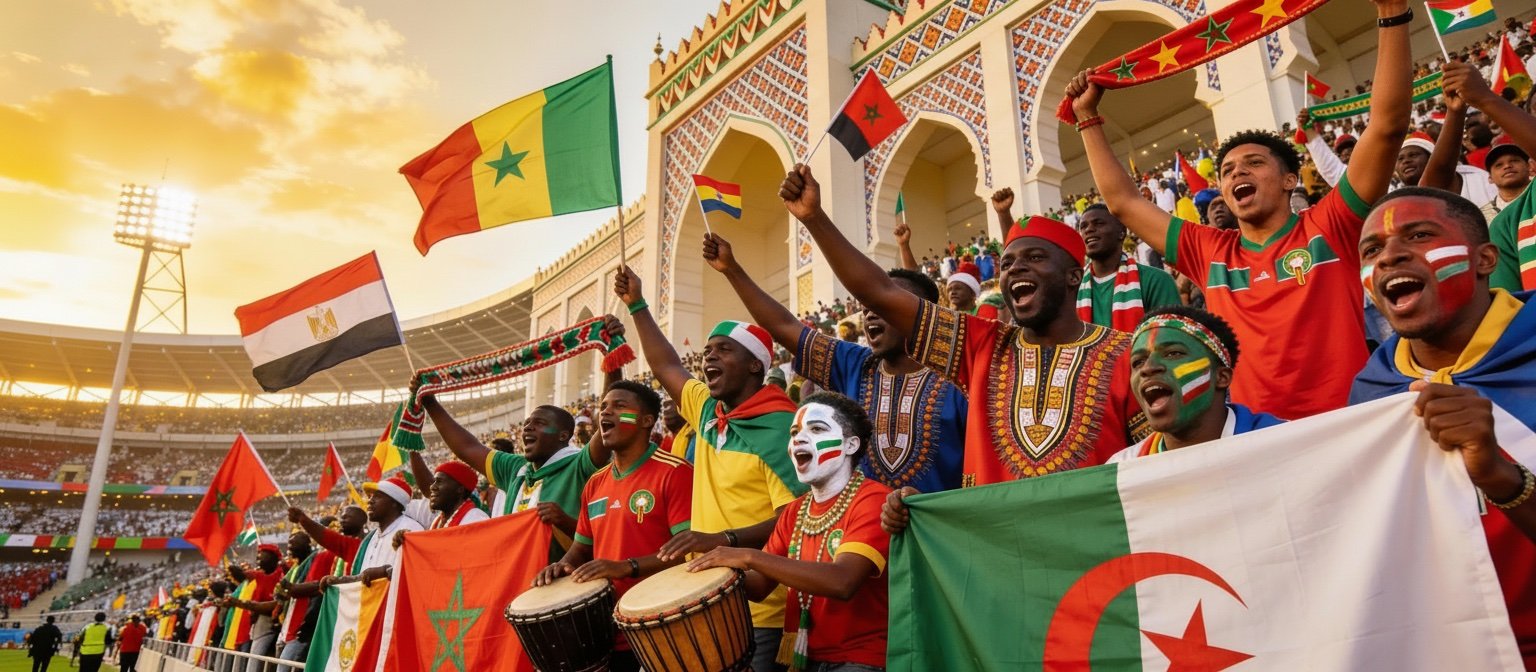
A fantastic Africa Cup of Nations tournament comes to an end, keeping fans on the edge of their seats until the final whistle. AFCON 2025 in Morocco has already set new benchmarks, with a record 729,240 spectators in the group stage alone, over 85,000 more than AFCON 2023,and average crowds above 21,000 per game, with Morocco’s matches consistently filling 62,000+ capacity stadiums. As CAF contemplates the future, the stakes around competition format, fan experience, and commercial growth have never been higher.
Hours before the tournament’s 35th edition kicked off, CAF president Patrice Motsepe announced the creation of an African Nations League in partnership with FIFA, designed to replace Africa’s traditional two-year AFCON cycle and align CAF competitions with the global calendar. With projected financial returns enabling $1 million allocations to each of CAF’s 54 member associations, the model is expected to gain strong institutional support. European clubs are also likely to welcome any change that reduces mid-season disruption, given how heavily they rely on African players during the current four-week AFCON window.
Europe’s own Nations League experience offers a useful cautionary tale. Since its inception in 2018, UEFA’s Nations League has attracted solid headline numbers, including an estimated cumulative live audience of 130 million for the 2021 finals and more than 200 million people reached across over 200 countries and territories. Yet the competition has also faced criticism from fans and players for fixture congestion and the perception of adding games primarily for revenue, with matchday atmospheres and attendances in some phases failing to match those of major tournaments.
Moving AFCON to a four-year cycle could make the title even more prestigious, concentrating on scarcity and hype. At the same time, it risks diluting the regularity of sponsorship exposure, slowing investment in young talent and domestic leagues, and reducing the frequency of the continent’s flagship moment for fans and brands. AFCON 2025 was projected to deliver over 90% revenue growth versus the previous edition, supported by 23 sponsors (up from 17 in 2023 and 9 in 2021) and a projected net profit of around $114 million, figures that demonstrate the competition’s growing commercial power. The Nations League’s returns may offset some of this reduced frequency, but only if fan engagement matches the potential.
Here, fan participation patterns become critical. AFCON’s centralised, one-month tournament offers a concentrated festival that drives travel, full stadiums, and shared rituals, as Morocco 2025 has shown with record-breaking crowds and knockout games drawing over 63,000 fans. In contrast, a dispersed Nations League format across multiple international windows creates “one-off” matches in different countries, often with limited travelling support and weaker event feel, an issue already visible in many AFCON and World Cup qualifying fixtures with low attendances and fragmented atmospheres.
The UEFA Nations League illustrates both the opportunity and the risk. While average attendances can exceed 25,000 across the competition and top fixtures in venues like Munich’s Allianz Arena attract more than 68,000 fans, many lower-league games struggle to generate the same magnetism. Translating such a model into Africa, with longer distances, higher travel costs, and infrastructure constraints, raises questions about whether an African Nations League can sustain AFCON-level fan energy and ticketing revenue without a deliberate focus on the full fan experience.
This is precisely where a data-driven fan strategy becomes non-negotiable. To make the CAF Nations League relevant from day one, rightsholders need to understand who their fans are, where they are coming from, how they behave across both physical and digital touchpoints, and what experiences they genuinely value. That insight is not only essential for designing relevant products and services for supporters, but also for unlocking commercial value for partners who increasingly demand measurable impact rather than logo exposure.
Game Changers’ FAME AI model is built to address this gap. It offers Fan Experience as a Service, enabling federations, leagues, and clubs to plug in an end-to-end fan-intelligence engine without heavy IT infrastructure or large in-house data teams. By unifying ticketing, broadcast, digital, and on-ground signals, FAME turns fragmented interactions into a coherent story for every fan, helping rightsholders segment audiences, personalise journeys, and design offerings that travel beyond the stadium. This same intelligence allows sponsors to align activations with real fan needs and behaviours, transforming campaigns from broad branding into performance-led partnerships.
In a landscape where AFCON 2025 is projected to reach more than 1.5 billion viewers globally, with coverage across over 180 countries and new markets from Japan and South Korea to Mexico and 18 European territories, the ability to translate global reach into deep fan relationships is a decisive competitive advantage. The Nations League proposal will only succeed if it is built around the fan, not just the calendar. Fans are the biggest asset in African football, and truly knowing them is now the backbone of both sustainable growth and long-term commercial success.
Tell us what you think about the new CAF proposition, and how you see fan experience shaping the future of African football.
دورة كأس أمم أفريقيا كل أربع سنوات ودوري الأمم : ابتكار أم ضغط إضافي؟
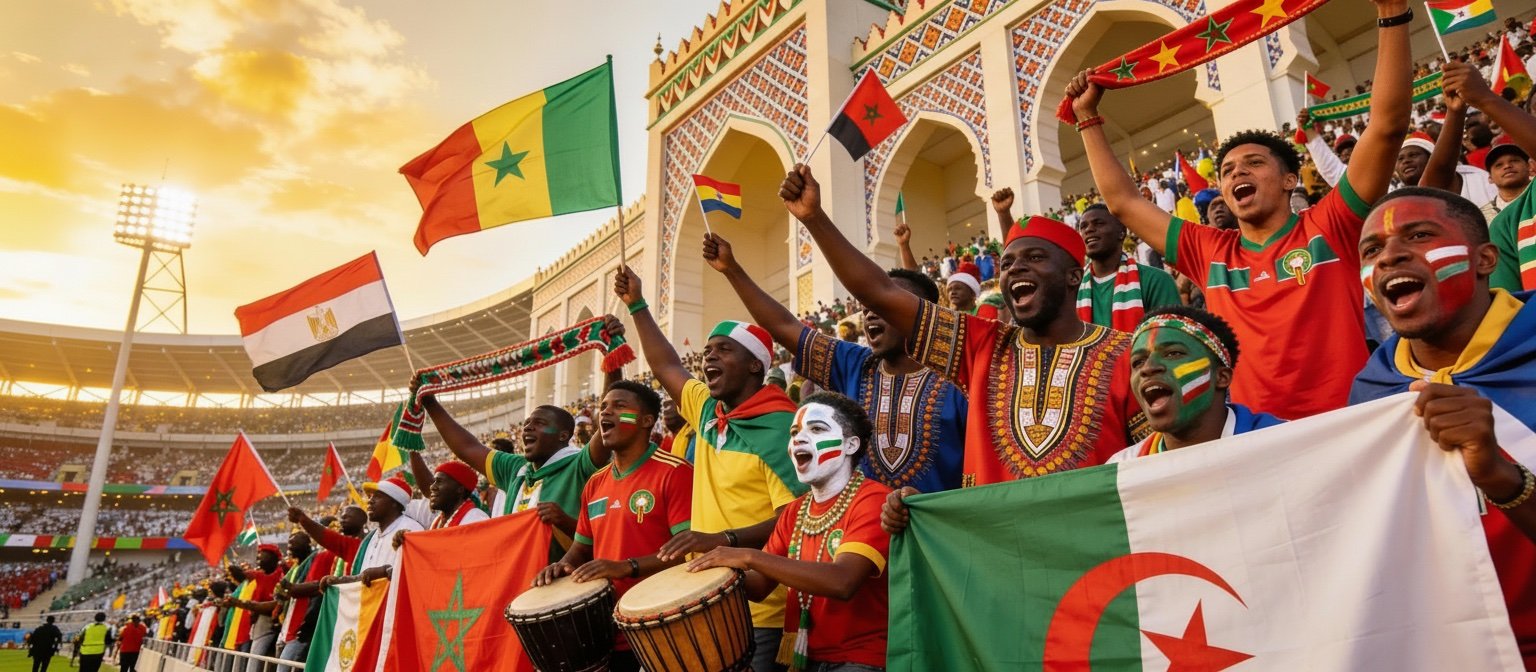
أسدل الستار على بطولة رائعة من كأس أمم أفريقيا، أبقت الجماهير على أطراف مقاعدها حتى صافرة النهاية. لقد وضعت بطولة أمم أفريقيا ٢٠٢٥ في المغرب معايير جديدة، حيث سجلت حضورًا قياسيًا بلغ ٧٢٩٬٢٤٠ متفرجًا في دور المجموعات فقط، بزيادة تفوق ٨٥ ألف متفرج مقارنة ببطولة ٢٠٢٣، وبمعدل حضور تجاوز ٢١ ألف متفرج في المباراة الواحدة. كما شهدت مباريات المغرب امتلاء الملاعب بسعات تجاوزت ٦٢ ألف متفرج بشكل متكرر. ومع تفكير الاتحاد الأفريقي لكرة القدم في مستقبل البطولة، لم تكن الرهانات المرتبطة بنظام المنافسات، وتجربة الجماهير، والنمو التجاري أعلى من أي وقت مضى..
وقبل ساعات فقط من انطلاق النسخة الخامسة والثلاثين للبطولة، أعلن رئيس الاتحاد الأفريقي لكرة القدم، باتريس موتسيبي، عن إنشاء دوري الأمم الأفريقي بالشراكة مع الاتحاد الدولي لكرة القدم (فيفا)، ليحل محل النظام التقليدي لكأس أمم أفريقيا الذي يقام كل عامين، وليتماشى مع الأجندة الدولية للمنافسات. ومع توقع عوائد مالية تتيح تخصيص مليون دولار لكل اتحاد من الاتحادات الـ٥٤ الأعضاء في الاتحاد الأفريقي لكرة القدم، من المرجح أن يحظى هذا النموذج بدعم مؤسسي واسع. كما يُتوقع أن ترحب الأندية الأوروبية بهذا التغيير، نظرًا لاعتمادها الكبير على اللاعبين الأفارقة خلال نافذة كأس أمم أفريقيا الحالية التي تمتد لأربعة أسابيع في منتصف الموسم.
وتقدم تجربة أوروبا مع دوري الأمم مثالًا تحذيريًا مهمًا. فمنذ إطلاق دوري الأمم الأوروبي عام ٢٠١٨، حققت البطولة أرقام مشاهدة قوية، من بينها جمهور مباشر تراكمي قُدّر بنحو ١٣٠ مليون مشاهد لنهائيات ٢٠٢١، والوصول إلى أكثر من ٢٠٠ مليون شخص في أكثر من ٢٠٠ دولة وإقليم. ومع ذلك، واجهت البطولة انتقادات من الجماهير واللاعبين بسبب ازدحام المباريات والانطباع بأن إضافة مباريات جديدة تهدف بالأساس إلى زيادة الإيرادات، إضافة إلى أن أجواء الملاعب والحضور الجماهيري في بعض المراحل لم ترقَ إلى مستوى البطولات الكبرى.
إن نقل كأس أمم أفريقيا إلى دورة تمتد لأربع سنوات قد يمنح اللقب مزيدًا من الهيبة والندرة، ويزيد من الزخم الإعلامي. لكن في المقابل، قد يؤدي ذلك إلى تقليص الظهور المنتظم للرعاة، وإبطاء الاستثمار في المواهب الشابة والدوريات المحلية، وتقليل وتيرة الحدث القاري الأبرز للجماهير والعلامات التجارية. و التوقعات تشير إلى أن بطولة أمم أفريقيا ٢٠٢٥ ستحقق نموًا في الإيرادات يتجاوز ٩٠٪ مقارنة بالنسخة السابقة، مدعومة بـ ٢٣ راعيًا (مقارنة بـ ١٧ في ٢٠٢٣ و٩ فقط في ٢٠٢١)، مع صافي أرباح متوقع يبلغ نحو ١١٤ مليون دولار، وهي أرقام تعكس القوة التجارية المتنامية للبطولة. وقد يعوض دوري الأمم جزءًا من هذا الانخفاض في التكرار، ولكن فقط إذا نجح في تحقيق مستوى مماثل من تفاعل الجماهير.
وهنا تصبح أنماط مشاركة الجماهير عاملًا حاسمًا. فبطولة كأس أمم أفريقيا، بصيغتها المركزية الممتدة لشهر واحد، تخلق مهرجانًا كرويًا مكثفًا يشجع السفر، وامتلاء الملاعب، وبناء طقوس جماعية مشتركة، كما أظهرت بطولة المغرب ٢٠٢٥ بأرقام حضور قياسية ومباريات إقصائية تجاوز حضورها ٦٣ ألف متفرج. في المقابل، يؤدي نظام دوري الأمم الموزع على نوافذ دولية متعددة إلى مباريات متفرقة في دول مختلفة، غالبًا مع دعم جماهيري محدود وأجواء أقل حيوية، وهو ما نراه بالفعل في العديد من مباريات تصفيات أمم أفريقيا وكأس العالم ذات الحضور الضعيف والأجواء المجزأة.
وتجسد تجربة دوري الأمم الأوروبي هذه الفرصة والمخاطر في آن واحد. ففي حين يتجاوز متوسط الحضور في بعض المباريات ٢٥ ألف متفرج، وتجذب المواجهات الكبرى في ملاعب مثل أليانز أرينا في ميونيخ أكثر من ٦٨ ألف مشجع، تعاني مباريات المستويات الأدنى من ضعف الجاذبية. ويطرح تطبيق هذا النموذج في أفريقيا مع المسافات الأطول، وتكاليف السفر الأعلى، والتحديات المرتبطة بالبنية التحتية تساؤلات جدية حول قدرة دوري الأمم الأفريقي على الحفاظ على نفس طاقة الجماهير وعوائد التذاكر التي تتميز بها كأس أمم أفريقيا، دون تركيز متعمد على تجربة المشجع الشاملة.
وهنا تحديدًا تصبح استراتيجية الجماهير المعتمدة على البيانات أمرًا لا يمكن التفاوض عليه. ولجعل دوري الأمم الأفريقي ذا صلة منذ اليوم الأول، يحتاج أصحاب الحقوق إلى فهم عميق لمن هم جماهيرهم، ومن أين يأتون، وكيف يتفاعلون عبر القنوات المادية والرقمية، وما التجارب التي يقدّرونها فعليًا. هذه الرؤى ليست أساسية فقط لتصميم منتجات وخدمات ذات صلة بالمشجعين، بل أيضًا لفتح قيمة تجارية حقيقية للشركاء الذين باتوا يطالبون بتأثير قابل للقياس بدلًا من مجرد الظهور الإعلامي.
وقد تم تطوير نموذج FAME AI من Game Changers لسد هذه الفجوة، حيث يقدم مفهوم تجربة الجماهير كخدمة، ما يتيح للاتحادات والدوريات والأندية الاستفادة من منصة متكاملة لفهم الجماهير دون الحاجة إلى بنية تقنية معقدة أو فرق بيانات ضخمة. ومن خلال توحيد بيانات التذاكر، والبث، والمنصات الرقمية، والتفاعل داخل الملاعب، يحول التفاعلات المجزأة إلى قصة متكاملة لكل مشجع، مما يساعد أصحاب الحقوق على تقسيم الجماهير، وتخصيص الرحلات، وتصميم تجارب تمتد إلى ما هو أبعد من الملعب. كما تمكّن هذه الرؤى الرعاة من مواءمة أنشطتهم مع الاحتياجات والسلوكيات الحقيقية للجماهير، وتحويل الحملات من مجرد بناء علامة تجارية إلى شراكات قائمة على الأداء والنتائج.
وفي ظل توقع وصول بطولة أمم أفريقيا ٢٠٢٥ إلى أكثر من ١٫٥ مليار مشاهد عالميًا، مع تغطية تمتد لأكثر من ١٨٠ دولة وأسواق جديدة من اليابان وكوريا الجنوبية إلى المكسيك و١٨ دولة أوروبية، تصبح القدرة على تحويل هذا الانتشار العالمي إلى علاقات عميقة ومستدامة مع الجماهير ميزة تنافسية حاسمة. ولن ينجح مقترح دوري الأمم إلا إذا بُني حول المشجع، وليس فقط حول الأجندة الدولية للمنافسات. فالجماهير هي الأصل الأكبر لكرة القدم الأفريقية، ومعرفتها الحقيقية أصبحت اليوم العمود الفقري للنمو المستدام والنجاح التجاري طويل الأمد.
شاركونا رأيكم في مقترح الاتحاد الأفريقي الجديد، وكيف ترون دور تجربة الجماهير في تشكيل مستقبل كرة القدم الأفريقية.
